Mastering Indoor Air Quality: A Practical Look at Modern Home Comfort

Indoor air quality concept with fresh home environmentIndoor air quality has become one of the most important topics in modern home design, wellness, and energy efficiency. As people spend more time indoors than ever before, the air inside a home can have a direct effect on sleep, concentration, respiratory comfort, and overall quality of life. What many homeowners do not realize is that indoor air may contain more pollutants than outdoor air, especially when ventilation is poor and everyday habits trap moisture, dust, and airborne particles inside. Understanding how to improve indoor air quality is not just about comfort; it is also about creating a healthier living environment that supports long-term well-being.

The topic of indoor air quality matters because a home can appear clean while still holding invisible irritants in the air. Common sources include cooking fumes, cleaning chemicals, pet dander, mold spores, pollen, dust mites, and gases released from furniture or building materials. These elements can build up quietly over time, particularly in tightly sealed homes designed for energy efficiency. The result may be stale air, headaches, allergic reactions, or a general sense that the indoor environment is less refreshing than it should be. A thoughtful approach to air quality helps address these concerns in a balanced and practical way.

Home ventilation and filtration system illustrationModern homeowners are also becoming more aware of the connection between the health of indoor air and the systems that support it. Heating, cooling, filtration, humidity control, and ventilation all work together to influence how air moves through a space. When one part of the system is neglected, the effects can be felt throughout the home. For example, a clogged filter may reduce circulation, while excess humidity can encourage mold growth and dust mite activity. By learning how these factors interact, it becomes easier to make smart choices that improve comfort without unnecessary complexity.

Why Indoor Air Quality Deserves Attention

Many people think about indoor air only when symptoms become noticeable, but the issue often develops gradually. The air inside a home can affect how well a person sleeps, how alert they feel during the day, and how often they experience irritation in the eyes, throat, or nose. For individuals with asthma or allergies, poor air conditions may trigger more frequent discomfort. Even for those without existing sensitivities, low air quality can contribute to a feeling of heaviness or stuffiness that makes a home less pleasant to live in. This is why improving indoor air quality has become a priority in home maintenance and design.

One of the biggest misconceptions is that a home is automatically safe if it looks clean and is regularly vacuumed. In reality, many pollutants are too small to see and can remain suspended in the air for long periods. Fine particles from candles, fireplaces, cooking, and even ordinary dust can circulate throughout the house. Volatile organic compounds, often called VOCs, may be released from paint, adhesives, flooring, and household products. When these sources combine, the air can become increasingly burdensome. A well-informed homeowner should think of air quality as a dynamic system rather than a single problem to be solved once and forgotten.

Humidity is another major factor in the condition of indoor air. When the air is too dry, occupants may experience dry skin, irritated sinuses, or static electricity. When the air is too humid, it can create ideal conditions for mold and mildew. The best indoor environment usually balances moisture at a comfortable level, which can vary depending on climate and season. Maintaining that balance is not only helpful for health but can also protect furniture, flooring, and the building structure itself. In this way, air quality is closely tied to both livability and property preservation.

Common Factors That Influence the Air You Breathe

Several everyday elements play a role in determining how fresh or polluted the indoor environment feels. Ventilation is one of the most important. A home that does not exchange stale indoor air with cleaner outdoor air can accumulate odors, moisture, and contaminants. Windows, exhaust fans, and mechanical ventilation systems all contribute to air exchange. Another factor is filtration. Central HVAC systems often rely on filters to capture dust and particles, but not all filters perform equally. Choosing the right filtration level can make a significant difference in reducing airborne debris.

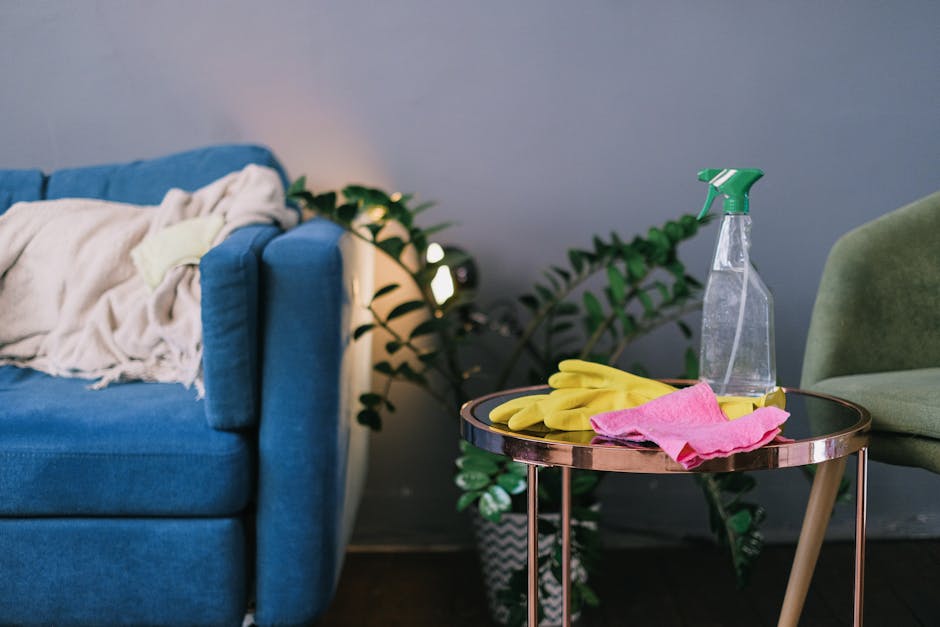
Cleaning habits also influence the quality of the air inside a home. Some products contain strong chemicals that can release fumes into the room long after cleaning is complete. Fragrances, aerosol sprays, and bleach-based solutions may leave behind residues or cause irritation in sensitive individuals. Likewise, dusting and vacuuming routines matter because dust tends to settle on surfaces before becoming airborne again. Using microfiber cloths and vacuums with effective filtration may help reduce the amount of material recirculating in the living space. Small behavioral shifts can create a noticeable improvement in the air environment.

Clean indoor air and healthy living room atmosphereOccupant activity can have a surprising effect on home air quality. Cooking, showering, drying clothes indoors, burning incense, using fireplace inserts, and even opening certain packaged goods can all release particles or moisture into the air. Pets add another layer of complexity through dander and hair. Seasonal changes can also introduce pollen from outside, especially when windows are open or doors are frequently used. Because these influences are part of daily life, managing them requires a consistent approach rather than an occasional effort.

How Modern Homes Can Trap Pollutants

Energy-efficient construction has many benefits, but it can also reduce natural air exchange. Better insulation, tighter windows, and sealed building envelopes help conserve energy, yet they may also trap contaminants indoors. This is one reason why the discussion around better indoor air quality has become more relevant in newer homes. When air does not move freely, odors linger longer, humidity accumulates more easily, and pollutants have fewer pathways to escape. In older homes, drafts may provide more exchange, but they can also introduce outdoor contaminants and reduce comfort. The ideal solution typically lies in controlled ventilation.

Another issue is the source of materials used in furniture, flooring, and decor. Pressed wood products, synthetic rugs, some paints, and various adhesives can release compounds into the air over time. These emissions often decrease as materials age, but they can be more noticeable in freshly renovated spaces or newly furnished rooms. This does not mean homeowners must avoid every modern product. Instead, it suggests that choosing low-emission materials and allowing new items to off-gas when possible can help reduce airborne exposure. Small, informed decisions about materials can support a cleaner indoor environment.

Temperature also interacts with air quality in subtle ways. Warm air can hold more moisture, while cooler air may feel fresher but can become dry. Heating systems that circulate air aggressively may stir up dust, while air conditioners that are not maintained properly can become sources of odor or contamination. In a home where temperature control is stable and equipment is serviced regularly, the environment tends to feel more consistent. That stability often makes the air seem cleaner, even when the improvement comes from several technical factors working together.

Practical Ways to Support Cleaner Indoor Air

There are many ways to improve the air inside a home without making dramatic or expensive changes. One of the most effective strategies is regular system maintenance. Replacing HVAC filters on schedule, cleaning vents, and checking for moisture issues can prevent problems before they grow. Another valuable step is using exhaust fans in kitchens and bathrooms to remove steam, odors, and particles at the source. These actions help reduce the load on the rest of the home, making air easier to manage.

Household routines matter as well. Keeping surfaces free of dust, laundering bedding, and reducing clutter can limit the buildup of irritants. Shoes worn indoors may carry dirt and pollen from outside, so removing them at the door can lessen what enters the living space. Similarly, opening windows when outdoor conditions are favorable can improve circulation and refresh the atmosphere. However, timing matters; during high pollen seasons or poor outdoor air events, closed windows and mechanical filtration may be the better option. Good judgment is part of the process.

Moisture control is especially important for healthy indoor air quality. Bathrooms, basements, laundry rooms, and kitchens are common areas where excess humidity can accumulate. Addressing leaks quickly, running fans during and after showers, and ensuring proper drainage around the home all help prevent damp conditions. Dehumidifiers may be useful in climates where humidity is consistently high. On the other hand, in very dry climates, adding moisture carefully can improve comfort. The goal is balance, since both extremes can create problems. A stable environment is often the most comfortable one.

Filtration, Ventilation, and Air Movement

Filtration and ventilation are often discussed together because they serve complementary roles. Filtration captures particles already present in the air, while ventilation helps dilute contaminants by bringing in fresher air. A system that does only one of these well may still fall short. For example, a powerful filter can help reduce dust, but if the home has no adequate air exchange, gases and odors may remain. Likewise, strong ventilation without good filtration may bring in unwanted pollutants from outdoors. Effective air management depends on both functions being considered together.

Air movement inside a home also influences comfort. Stagnant rooms can feel more oppressive, even if they are technically clean. Ceiling fans, return vents, balanced HVAC design, and strategic room airflow can help distribute air more evenly. When air moves properly, heat and moisture do not settle in one place for too long. This can reduce the likelihood of damp corners, musty odors, and uneven temperatures. Many people notice that a home feels better when the air is gently in motion rather than trapped in pockets of stillness.

It is also worth noting that filtration systems vary widely in effectiveness. Some are designed mainly to protect equipment, while others are intended to capture much smaller particles. The best choice depends on the needs of the household, including the presence of pets, allergies, asthma, or heavy dust. Upgrading filtration may be one of the most impactful decisions for better air in the home, especially when combined with regular upkeep. Still, even the best filter works best when the surrounding system is clean and functioning correctly.

Mold, Allergens, and Odor Control

Mold is one of the most serious threats to a comfortable indoor environment because it often begins in hidden areas where moisture is present. A small leak under a sink, condensation around windows, or dampness in a basement can create the perfect conditions for growth. Mold does not just affect surfaces; it can also release spores into the air, where they may trigger respiratory irritation. Addressing moisture quickly is the key to preventing this type of issue from becoming a larger concern. Regular inspections of problem-prone areas can make a meaningful difference.

Allergens are another major concern in the discussion of indoor air quality improvement. Dust mites, pet dander, pollen, and mold spores can all circulate through a home and settle on textiles, flooring, and furniture. Bedrooms, in particular, can become collection points because people spend many hours there each night. Washing bedding regularly, using mattress and pillow covers when appropriate, and keeping rugs and upholstery clean can help reduce exposure. These measures do not eliminate allergens completely, but they can lower the burden significantly over time.

Odor control is often seen as a cosmetic issue, but persistent odors can also point to underlying air quality concerns. Cooking smells that linger too long, musty scents in basements, or chemical odors from products may suggest poor ventilation or moisture problems. Rather than masking odors with heavy fragrances, it is usually better to identify and remove the source. Fresh air, filtration, source control, and moisture management generally provide more reliable results than temporary masking. The air feels better when the root cause is addressed.

The Role of Everyday Products and Habits

Many common products influence air quality in ways that are easy to overlook. Air fresheners, scented candles, cleaning sprays, and personal care products may all contribute to the chemical load indoors. Some of these items are used for comfort or convenience, but they can still add particles or compounds to the air. Choosing simpler, lower-emission alternatives where possible can reduce unnecessary exposure. Fragrance-free products, for example, are often preferred in homes where sensitivity is a concern.

Cooking habits can also change the character of the indoor environment. High-heat frying, broiling, and open-flame cooking can release particles and odors that spread beyond the kitchen. Using lids, turning on exhaust fans, and keeping the cooking area clean all help minimize the impact. Even without advanced equipment, thoughtful cooking habits can contribute to a fresher-feeling home. The same is true for burning wood or using fireplaces; when used carefully and in well-maintained systems, the effect can be managed more effectively than if they are neglected.

Clothing, bedding, and textiles may store and release odors or particles as well. Curtains, rugs, throw blankets, and upholstered furniture often trap dust and allergens, especially in homes with heavy daily use. Washing and vacuuming these items on a regular basis can help keep the air cleaner. A well-kept home is not just about visible cleanliness. It is about controlling the invisible components that affect how the space feels from one hour to the next.

Why Seasonal Changes Matter

Air quality does not remain the same throughout the year. In spring and fall, pollen levels can rise and outdoor air may enter the home more frequently through open windows and doors. Summer may bring humidity, thunderstorms, and more time spent with cooling systems running. Winter often means closed windows, less ventilation, and increased use of heating equipment, all of which can change how air behaves indoors. Recognizing these patterns helps homeowners stay ahead of seasonal challenges instead of reacting after discomfort appears.

During colder months, dry indoor air can make a home feel less comfortable and may worsen certain symptoms in sensitive individuals. Humidifiers can help in some cases, but they must be used carefully and cleaned properly to avoid introducing excess moisture or microbial growth. During warmer months, the focus may shift to ventilation, dehumidification, and cooling system maintenance. Each season has its own set of priorities, and the most effective approach adapts to those conditions rather than applying the same solution year-round.

Seasonal indoor air comfort and humidity balanceSeasonal awareness is especially helpful when thinking about improving the air indoors in a balanced way. Rather than making broad assumptions, a homeowner can observe which issues appear at certain times and respond accordingly. This may include checking filters more often during heavy use periods, watching for condensation around windows, or adjusting cleaning routines to match pollen levels and weather patterns. Small seasonal adjustments often create a more stable and pleasant indoor atmosphere.

Long-Term Benefits of Better Air Quality

Improving indoor air quality offers benefits that extend beyond immediate comfort. Over time, cleaner air can support better rest, fewer irritants, and a more welcoming living environment. For families, this can mean fewer complaints about stuffiness or odors. For individuals who work from home, it may also support focus and productivity. The impact is not always dramatic in one day, but the cumulative effect of consistent improvements can be meaningful.

There are also long-term structural benefits. Reducing excess moisture can help protect wood, drywall, insulation, and other building materials from damage. Keeping dust and debris under control may also reduce wear on mechanical systems. When equipment runs more efficiently, it often lasts longer and performs more reliably. In this sense, good indoor air quality supports both the people living in the home and the home itself. That dual benefit makes it a smart area of attention for nearly every household.

Another long-term advantage is peace of mind. A home with manageable air, balanced humidity, and fewer odors feels more restful and dependable. That sense of ease can improve how people experience everyday life, from morning routines to evening relaxation. While no home will be perfectly free of all particles or pollutants, meaningful improvement is possible. With consistent attention to the right factors, the indoor environment can become noticeably healthier and more comfortable.

Creating a Healthier Home Environment

The best approach to cleaner indoor air is usually a combination of habits, maintenance, and awareness. There is no single solution that works for every home, because air quality depends on climate, building design, materials, household routines, and the people living inside. Still, some principles remain consistent: control moisture, improve ventilation, maintain filtration, reduce pollutant sources, and clean regularly. These fundamentals form the basis of a healthier indoor environment.

It helps to think of the home as an ecosystem. Every choice, from the products used on surfaces to the way air moves through rooms, influences the overall result. When the ecosystem is balanced, the air feels fresher, rooms feel more comfortable, and daily life becomes easier. A small investment in better habits often creates a large return in livability. This is why the subject of indoor air quality in homes continues to grow in importance among homeowners and renters alike.

Healthy home environment with cleaner air and comfortOver time, the most effective improvements are usually the ones that become part of a normal routine. Replacing filters, checking for leaks, opening windows when appropriate, and choosing lower-emission products may not seem dramatic on their own, but together they create a noticeable change. The result is a home that supports health, comfort, and long-term satisfaction. For anyone seeking a better living space, air quality is one of the most valuable places to start, because the air is present in every room and every moment of daily life.

In the end, the value of clean indoor air is easy to appreciate once it improves. Rooms feel fresher, surfaces stay cleaner longer, and the home becomes more pleasant to inhabit. While no home is perfect, thoughtful maintenance and smart habits can dramatically improve the overall atmosphere. The topic deserves attention not because it is trendy, but because it directly shapes the quality of everyday life. A healthier home begins with the air inside it, and that makes indoor air quality one of the most important features of modern living.


Services

service image

Carpet Cleaning

SEO-optimized article on carpet cleaning, covering methods, benefits, maintenance, stains, and professional care in structured HTML.

service image

Commercial Carpet Cleaning

SEO-optimized article on commercial carpet cleaning, covering benefits, methods, scheduling, industry needs, maintenance tips, and CTAs in HTML.

service image

Curtain Cleaning

SEO-friendly article on curtain cleaning, covering fabrics, methods, stains, health benefits, prevention, and professional options with CTA.

service image

Mattress Cleaning

SEO-friendly article on mattress cleaning, covering benefits, signs, methods, frequency, stain and odor removal, and professional care.

service image

Pet Stain Odour Removal

Detailed SEO article on pet stain odour removal, covering causes, cleaning methods, prevention, and professional solutions.

service image

Rug Cleaning

SEO-optimized article on rug cleaning, covering methods, rug types, maintenance tips, benefits, and professional care in a structured HTML format.

service image

Sofa Cleaning

SEO-optimized article on sofa cleaning, covering materials, stain removal, professional methods, maintenance, and CTA in HTML format.

service image

Stain Removal

A detailed article on stain removal covering fabrics, carpets, upholstery, surfaces, methods, mistakes, prevention, and professional help.

service image

Steam Carpet Cleaning

Detailed SEO article on steam carpet cleaning, covering benefits, process, frequency, prep tips, and commercial use with HTML formatting and CTAs.

service image

Upholstery Cleaning

SEO-optimized article on upholstery cleaning, covering methods, benefits, fabric care, maintenance tips, and why professional service matters.

Frequently Asked Questions

The best way to improve home air quality quickly is to combine source control, ventilation, filtration, and humidity management. Start by reducing dust, smoke, and chemical pollutants, then use a HEPA air purifier, upgrade your HVAC filters, and keep indoor humidity in the 30% to 50% range. Our team has helped homeowners identify the biggest air quality problems first, so the results are practical and long-lasting. If you want a reliable plan tailored to your home, get in touch for a quote.

The best professional is usually a trained indoor air quality specialist who can inspect your home, measure pollutants, and explain the results in plain language. Look for experience with mold, VOCs, dust, humidity, and ventilation issues, plus strong customer reviews and clear reporting. Our team has served local homeowners with detailed air assessments that focus on real-world solutions, not guesswork. If you are searching for a trusted air quality expert near me, reach out for a quote.

Professionals often use industry-standard tools such as particle counters, moisture meters, thermal imaging cameras, VOC meters, carbon monoxide detectors, and humidity sensors. For more detailed evaluations, some also use air sampling pumps and lab analysis to identify mold spores or other contaminants. These tools help pinpoint issues that are not visible to the eye. Our team uses modern equipment to deliver accurate, reliable results and practical next steps. Contact us for a quote if you want a thorough assessment.

A trusted company should be transparent about its process, qualifications, and pricing. Look for clear communication, consistent reviews, proper training, and a willingness to explain findings without pressure. A reliable provider will also focus on prevention, not just temporary fixes. Our team has earned trust by combining hands-on experience, careful inspections, and customer-focused recommendations. If you want a professional service that values reliability and quality, get in touch for a quote.

Yes, there are several affordable improvements that can make a big difference. Replacing HVAC filters regularly, using a portable HEPA purifier in bedrooms, cleaning vents, reducing clutter, and controlling moisture are all budget-friendly steps. Sealing drafts and improving bathroom or kitchen ventilation can also help. Our team often recommends cost-effective changes first so homeowners get the best value. If you need an affordable air quality plan for your home, contact us for a quote.

Look for affiliations or training tied to recognized industry bodies such as IAQA, NADCA, IICRC, or ASHRAE-related education. These accreditations show that the specialist understands indoor air quality, duct systems, remediation standards, and building ventilation best practices. They also signal a commitment to professional development and consistent service. Our team stays aligned with industry standards so we can provide informed, trustworthy guidance. If you want a qualified professional, get in touch for a quote.

Yes, they should. A reputable provider should carry appropriate business insurance, and when needed, the right certifications for the services being performed. This helps protect both the customer and the technician while ensuring work is completed safely and legally. Ask about liability coverage, workers’ compensation, and any relevant training before booking. Our team values customer protection and professional compliance. For a safe and dependable service, contact us for a quote.

Common signs include frequent dust buildup, lingering odors, allergy flare-ups, headaches, dry eyes, coughing, condensation on windows, or musty smells. You may also notice uneven humidity or stale air in certain rooms. These symptoms can point to poor ventilation, excess moisture, or hidden pollutants. Our team has seen how small air quality issues can affect comfort and everyday health, so early action matters. If you are noticing these warning signs, get in touch for a quote.

Most homes benefit from a professional air quality check every 1 to 2 years, especially if you have pets, allergies, recent water damage, renovation work, or lingering odors. You should also schedule an assessment after any mold concern, smoke exposure, or HVAC issue. Regular checks help catch problems early and protect your family’s comfort. Our team recommends timing inspections around seasonal changes for the most useful results. If you want a dependable review, contact us for a quote.

Yes, a trusted indoor air quality service can identify the source of mold, dust, and odors, then recommend targeted solutions. That may include moisture control, improved filtration, ventilation adjustments, source removal, or cleaning methods that reduce airborne particles. The key is fixing the root cause, not just masking the smell. Our team uses a practical, evidence-based approach to help homeowners get cleaner, fresher air. If you need a reliable solution, get in touch for a quote.

DIY steps can help, but a professional brings experience, testing equipment, and a trained eye for hidden issues like leaks, poor airflow, and contamination sources. That means faster diagnosis and fewer repeat problems. Professionals also understand how different systems work together, from HVAC to ventilation and humidity control. Our team has helped homeowners avoid wasted time and money by focusing on the most effective fixes first. For expert help that saves effort, contact us for a quote.

The best provider is one that combines testing, practical recommendations, and proven equipment such as HEPA filtration, humidity monitoring, and ventilation improvement. For families and allergy sufferers, the most helpful service will also explain how to reduce triggers in everyday life, not just in theory. Our team has worked with homeowners who want cleaner, healthier indoor air and clearer guidance they can trust. If you want a modern, family-friendly solution, get in touch for a quote.
Kingston Carpet Cleaners

An informative look at indoor air quality, covering ventilation, filtration, humidity, pollutants, and practical ways to create a healthier home.

Get a Quote

What Our Customers Say

Excellent on Google
4.9 (10)

Impressive service from beginning to end. Quick responses, friendly communication, and genuine attentiveness throughout. I was pleasantly surprised with the final result. They paid close attention to every detail and delivered a thorough deep clean. I'll definitely book you again.

Google Logo
A

Fantastic job by the team! They were professional, worked fast, and showed great manners. Our home was left in perfect order. We recommend them 100%.

Google Logo
E

Absolutely fantastic service! Kingston Carpet Cleaners handled our end of tenancy clean flawlessly, taking a huge weight off our shoulders during the move. The place was spotless and the price was great. We'll definitely be returning customers!

Google Logo
A

Superb work every visit! Kingston Upholstery Cleaning ServiceKingston's cleaning service keeps me happy.

Google Logo
E

Your cleaners performed a fantastic job on my hallway, living room, and stairs. Every blemish was removed--my carpet looks just like the day it was installed.

Google Logo
K

I had a wonderful experience with Kingston Carpet Cleaners. Communication was smooth and quick, and everyone I interacted with was extremely friendly. The pricing was great, and the cleaner was punctual, efficient, and a delight to have in my home.

Google Logo
A

To prepare our home for sale, we had a deep cleaning service. The cleaner was incredibly hardworking and left every surface spotless.

Google Logo
S

I'm so happy with the way KingstonCarpetCleaners cleaned my house--everything feels new and bright! Their professional attitude and precision were outstanding. I'll return to them for future services.

Google Logo
S

Very pleased with Kingston Cleaning Agency's service. Used for end of tenancy cleaning twice; got full deposits back each time. Prompt arrival and efficient, friendly cleaner finished quickly.

Google Logo
D

I can't believe the difference Kingston Cleaning Agency made. The quality and detail in their work is unmatched. My house is spotless and smells amazing.

Google Logo
A

Get In Touch With Us.

Please fill out the form below to send us an email and we will get back to you as soon as possible.