Stain Removal in Everyday Life: Practical Methods for Cleaner Fabrics, Surfaces, and Results
Stain removal is one of those everyday tasks that seems simple until it becomes urgent. A spilled coffee on a shirt, a splash of sauce on upholstery, or a mystery mark on a carpet can quickly become frustrating if you do not know how to respond. The good news is that stain removal does not have to be stressful. With the right approach, the right products, and a little patience, many common stains can be lifted before they become permanent.
This article explores stain removal in a practical, reader-friendly way, covering what works on different surfaces, how to avoid common mistakes, and when professional stain removal is the smarter choice. Whether you are dealing with fresh spills or stubborn marks that have already set in, the tips below can help you make better decisions and protect your belongings. If you want cleaner fabrics, fresher furniture, and fewer long-term damage issues, learning the basics of stain removal is a smart investment in your home and lifestyle.
From laundry and upholstery to carpets and hard surfaces, stain removal is all about understanding the stain, acting quickly, and using the right method. Some stains respond best to cold water, while others need degreasing agents, enzymatic cleaners, or gentle blotting. Knowing the difference can save a favorite garment, extend the life of a sofa, and reduce the need for replacements.
Why Stain Removal Matters

Effective stain removal is not only about appearance. It also helps preserve materials, prevent odors, and reduce wear over time. A stain that stays too long may bond with fibers, discolor finishes, or become harder to treat with each passing day. That is why quick action matters. Even a small spill can spread, sink deeper, or react with heat if it is not treated correctly.
Many people assume all stains are the same, but they are not. Grease, tannins, protein-based spills, ink, dyes, and mud each behave differently. A stain removal method that works on one may worsen another. For example, using hot water on a protein stain can set it, while rubbing a greasy spot can push it deeper into the fabric. Understanding these differences is a major part of successful stain removal.
Another reason stain removal matters is cost. Replacing clothing, rugs, or furniture because of a stubborn mark can be expensive. Good stain removal habits help extend the life of your possessions and keep your home looking clean and maintained. Smart stain removal also supports sustainability because it reduces waste and unnecessary replacement purchases.
First Response: What to Do When a Stain Happens
The first few minutes after a spill are critical. When a stain occurs, the best stain removal strategy is usually to act fast but gently. Start by removing excess material with a spoon, dull knife, or clean cloth if needed. Then blot the area instead of rubbing it. Rubbing can spread the stain and damage fibers, making stain removal much harder later.
If you are unsure what caused the stain, begin with the mildest possible approach. Use cold water on a clean cloth and blot from the outside toward the center. This helps stop the stain from spreading. Avoid adding heat until you are certain the stain has been lifted, because heat can set many stains permanently. This principle is especially important in laundry stain removal.
It is also helpful to check the care label or material type before using any cleaner. Delicate fabrics, wool, silk, leather, and certain synthetics can react badly to strong chemicals. When in doubt, test any stain removal product on a hidden area first. A cautious approach often gives the best long-term result.
Common Stain Types and How They Behave
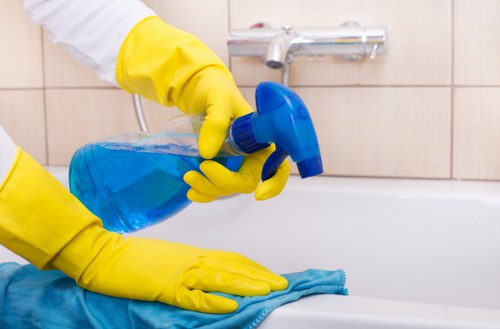
Different stains require different treatment methods, and understanding the category is one of the most useful parts of stain removal. Below are some of the most common types:
- Protein-based stains: Blood, egg, milk, and sweat. These usually respond best to cold water and enzyme-based cleaners.
- Oil and grease stains: Cooking oil, butter, makeup, and salad dressing. These often need a degreasing agent or absorbent powder.
- Tannin stains: Coffee, tea, wine, and juice. These may respond well to prompt blotting and mild detergent.
- Dye stains: Ink, marker, colored drinks, and transfer from clothing. These can be tricky and may need specialized stain removal products.
- Organic stains: Mud, grass, and food residue. These often require a combination of drying, brushing, and washing.
Knowing the stain type helps you choose a method that is more likely to succeed. For example, stain removal for grease is often different from stain removal for coffee or red wine. The wrong treatment can create a bigger problem, so identifying the source is one of the best first steps.
Quick identification can save time and prevent damage. If you do not know the source, start with a neutral method and avoid aggressive scrubbing. A calm, structured approach often leads to better stain removal outcomes than guesswork.
Stain Removal for Clothing and Laundry
Laundry stain removal is one of the most common household cleaning challenges. Clothing absorbs spills quickly, and fabrics can trap both color and odor if not treated properly. The best results usually come from pre-treating the stain before washing. That means applying a suitable cleaner, allowing it to work for a few minutes, and then laundering according to the garment's care instructions.
For many fabric stains, a small amount of liquid detergent or stain remover can be gently worked into the spot with a soft brush or fingertips. Do not aggressively scrub, especially on delicate weaves. For protein stains, use cold water first. For greasy marks, a dishwashing liquid with grease-cutting power may help. For color transfer or ink, specialized stain removal formulas are often more effective.
Here are some practical laundry stain removal tips:
- Treat the stain as quickly as possible.
- Blot excess liquid before adding cleaner.
- Use cold water unless the stain type suggests otherwise.
- Avoid drying the item until the stain is gone.
- Check the result before using heat, since heat can set stains.
Some stains may need several rounds of stain removal treatment. If a mark fades but does not disappear, repeat the process rather than rushing to dry the item. Patience often makes the difference between partial cleaning and full restoration.
Stain Removal on Carpets and Rugs

Carpet stain removal requires a careful balance of speed and restraint. Carpets can absorb liquids deep into the fibers and backing, so the way you treat the first spill matters a great deal. Begin by blotting up as much liquid as possible using a clean, white cloth or paper towel. Press gently and continue using fresh sections of the cloth until little moisture transfers.
For many carpet stains, a mild cleaning solution made from water and a small amount of detergent can be effective. Apply the solution sparingly and blot again. The goal is to lift the stain, not soak the carpet. Excess moisture can create lingering odor, encourage mold, and spread the stain farther. Good stain removal on carpet always favors control over saturation.
If the stain is greasy, sprinkle baking soda or another absorbent powder before vacuuming and cleaning. For wine, coffee, or juice, a methodical blotting process may work better than forceful cleaning. When dealing with older spots, stain removal may require repeated treatment and careful drying. Fans and airflow can help the carpet dry more evenly.
When to Avoid DIY Carpet Stain Removal
Some carpet stains are difficult enough that home treatment is not the safest option. Large spills, color bleeding, pet-related stains, and deeply set discoloration may need professional stain removal support. If you are unsure about the carpet material, backing, or dye stability, caution is important. A wrong product can create halos, fade patches, or texture damage.
Stain Removal for Upholstery and Furniture
Upholstery stain removal presents its own challenges because furniture fabrics vary widely. Some sofas are covered in durable synthetic materials, while others use cotton blends, linen, velvet, or leather. Before attempting any stain removal process, identify the material and check the manufacturer’s cleaning instructions. What works on one fabric may damage another.
For fabric upholstery, blotting is again the first step. Use as little liquid as possible and avoid over-wetting cushions. In many cases, a mild upholstery cleaner or diluted detergent can treat food, drink, or dirt stains. It is important to test in an inconspicuous area before moving to the visible stain. Gentle stain removal often protects the surface better than a strong cleaner applied too quickly.
Leather requires a different approach. Instead of soaking, use a soft, slightly damp cloth and a leather-safe cleaner. Harsh chemicals can dry out leather or leave a dull finish. For ink or dye transfer on furniture, prompt professional stain removal may be the safest choice, especially if the item is expensive or fragile. Upholstery is often a long-term investment, so careful treatment is worth the effort.
For routine furniture maintenance, consider these tips:
- Vacuum regularly to remove dust and crumbs before they become embedded.
- Use removable covers where possible for easier stain control.
- Treat spills immediately instead of letting them dry.
- Rotate cushions to reduce uneven wear and visible staining.
Hard Surface Stain Removal in Kitchens and Bathrooms
Hard surfaces are often easier to clean than fabric, but they still require the right stain removal approach. Countertops, tiles, sinks, bathtubs, and appliances can all develop stains from food, soap scum, water minerals, rust, and cleaning residue. Because these surfaces do not absorb liquid the way fabric does, the focus is usually on dissolving or lifting the stain rather than blotting it.
For kitchen stain removal, warm water and a mild cleaner can handle many everyday marks. Grease near stovetops may need a stronger degreaser, while mineral spots in sinks and around fixtures may respond to a vinegar-based solution if the material allows it. Always check whether the surface is sensitive to acid before using vinegar or lemon. Natural products can be effective, but they are not universally safe.
Bathroom stain removal often involves soap residue, hard water marks, mildew spots, or rust around fixtures. A non-abrasive cleaner is usually best on delicate finishes, while tougher stains may require a targeted product. The key is to avoid scratching polished surfaces. A soft cloth, microfiber towel, or non-scratch sponge is typically enough for effective stain removal on hard surfaces.
Natural vs. Commercial Stain Removal Methods
Many people prefer natural stain removal solutions because they are affordable and readily available. Baking soda, vinegar, lemon juice, and dish soap are common household items used in cleanup routines. These can work well for light to moderate stains, especially when the stain is fresh. However, natural does not always mean better, and some stains need more targeted treatment.
Commercial stain removal products often contain enzymes, surfactants, solvents, or oxygen-based agents designed for specific stain types. These products can be highly effective when used correctly. The advantage of commercial stain removal is precision; the disadvantage is that some formulas can be too strong for certain fabrics or finishes. Reading the label carefully is essential.
Best practice: choose the least aggressive solution that is likely to work. If a mild cleaner removes the stain, there is no need to use a harsher one. This approach helps protect fabrics and surfaces while still delivering strong stain removal results.
Simple Decision Rule
If the stain is fresh and light, start mild. If it is oily, set-in, or specialized, use a product designed for that stain type. If the item is delicate or valuable, professional stain removal may be the safest route.
Common Mistakes to Avoid in Stain Removal
Even well-intentioned efforts can make stains worse. Knowing what not to do is just as important as knowing what to do. One of the biggest mistakes is rubbing aggressively. This pushes the stain deeper and can fray fibers. Another common error is using too much product, which can leave residue or create a new mark after drying.
People also often use heat too early. A dryer, steam, or hot iron can permanently set certain stains into fabric. If a stain is still visible after washing, do not dry the item until you are satisfied with the result. Good stain removal requires patience, especially with older or darker stains.
Other mistakes include:
- Using the wrong cleaner for the material
- Skipping a spot test
- Over-wetting upholstery or carpet
- Mixing chemicals without knowing the risks
- Ignoring care labels or manufacturer instructions
A careful, informed approach reduces the risk of damage and improves the odds of successful stain removal. When in doubt, step back and evaluate before applying another product.
Preventive Habits That Make Stain Removal Easier
Prevention is one of the most underrated parts of stain removal. While you cannot stop every spill, you can make cleanup easier with simple habits. Using protective sprays on some fabrics, placing mats in high-traffic areas, and encouraging quick cleanup after meals all help reduce stain buildup. Even small routines can make a big difference over time.
Another helpful habit is keeping a basic stain removal kit at home. Include clean cloths, a soft brush, mild detergent, stain remover, and absorbent powder. Having supplies ready means you can act quickly when accidents happen. In stain removal, readiness often matters as much as technique.
For households with children or pets, prevention becomes even more valuable. Washable covers, stain-resistant materials, and routine cleaning all reduce the chance of permanent damage. The fewer layers of buildup you allow, the easier stain removal becomes when a spill does occur.
When Professional Stain Removal Is the Better Choice
There are times when DIY stain removal is not enough. Deep carpet stains, old upholstery marks, valuable garments, specialty fabrics, and large-area discoloration can all benefit from professional care. Professionals use specialized tools and training to address stains without creating additional damage. For expensive or irreplaceable items, this is often the smartest option.
Professional stain removal can also help when a stain has already been treated several times without success. Repeated home attempts may leave residue or worsen the appearance, while a trained technician may be able to correct the issue more efficiently. If the stain has an unusual color, unknown origin, or is located on a fragile surface, expert evaluation is worth considering.
Another benefit of professional stain removal is time savings. Instead of spending hours trying multiple methods, you can rely on a more targeted process. For busy households and commercial spaces, that can be a major advantage. If you are struggling with a stubborn stain, book your service now and let the right team handle it with precision.
Stain Removal Tips for Better Long-Term Results
Successful stain removal is not just about reacting to one spill. It is about building habits that protect your home, wardrobe, and furnishings in the long term. Keep records of what works for specific materials, especially if you frequently care for delicate items. A simple note about what cleaner helped can save time next time the same issue occurs.
It also helps to clean regularly rather than waiting until stains build up. Dirt and residue can disguise new marks, making stain removal harder. Routine vacuuming, surface wiping, and laundering keep materials in better condition and make it easier to spot problems early. Clean surfaces respond better, and that makes stain removal faster and more effective.
Finally, remember that not every stain must be tackled with force. Sometimes the best stain removal method is the gentlest one that works. Protecting the material is part of the process. A stain may disappear in minutes, but damage from harsh cleaning can last much longer.
Final Thought
Stain removal is a skill anyone can improve with practice, patience, and the right information. From clothing and carpets to upholstery and hard surfaces, the key is to identify the stain, choose the proper method, and avoid common mistakes. With these principles in mind, you can handle more spills confidently and keep your spaces looking clean and cared for.
If you are dealing with a stubborn mark that will not budge, do not wait until the damage becomes permanent. Contact us today to take the next step toward better results, or book your service now for professional support when it matters most.