Pet Stain Odour Removal: A Practical Approach to a Fresher, Cleaner Home
Why Pet Stain Odour Removal Matters
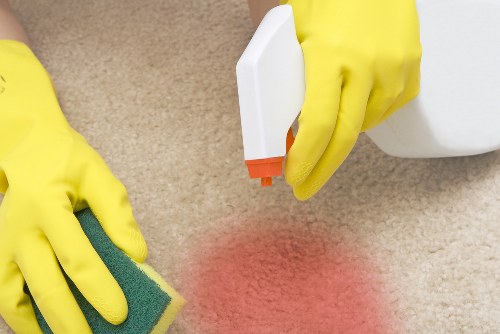
Living with pets brings joy, comfort, and companionship, but it also comes with a few household challenges. One of the most common is pet stain odour removal. When accidents happen, the visible stain is only part of the problem. The real issue is often the lingering smell that settles into carpets, upholstery, rugs, mattresses, and even subflooring. If left untreated, pet odours can become stubborn and increasingly difficult to remove.
Effective pet stain odour removal is about more than making a room smell nice. It helps protect indoor air quality, maintain a cleaner living environment, and preserve flooring and furniture. For households with dogs, cats, puppies, kittens, or older pets, tackling odours quickly can prevent long-term damage and recurring smells that return after cleaning.
In many homes, pet messes are treated with a quick surface clean, but that approach often only masks the problem. A proper strategy for pet stain odour removal targets the source of the odour at the molecular level, helping remove urine crystals, bacteria, and trapped residue. This is the difference between temporary freshness and lasting results.
Understanding the Source of Pet Odours
To succeed at pet stain odour removal, it helps to understand why pet smells linger. Pet urine, for example, contains uric acid, ammonia, and other compounds that bond strongly to fibres and porous surfaces. As moisture evaporates, the uric acid crystals remain, and they can reactivate when exposed to humidity or heat. That is why a room may smell clean for a while and then suddenly release the odour again.
Pet faeces, vomit, and even wet fur can also contribute to unpleasant smells if not cleaned properly. Carpets and soft furnishings can trap these odours deep in the pile, while hard floors may allow liquids to seep into cracks, grout, or underlayment. In some cases, the smell may come from previous accidents that were never fully treated.
Pet stain odour removal becomes much easier when you identify the type of stain, how long it has been present, and what material it has affected. Fresh stains are simpler to handle, but older stains may require deeper cleaning methods. Understanding the source also helps you choose the right products and avoid solutions that can make the smell worse.
First Response: What to Do When an Accident Happens
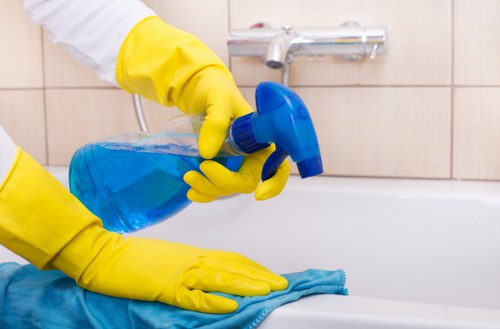
The best time to begin pet stain odour removal is immediately after the accident. Quick action reduces the chance of the stain spreading and limits how deeply the liquid penetrates the surface. Start by blotting the area with paper towels or a clean cloth. Press firmly to absorb as much liquid as possible, but do not rub, because rubbing can push the stain deeper into the fibres.
After blotting, use a suitable cleaning solution that is safe for the affected surface. For carpets and upholstery, an enzymatic cleaner is often the most effective option because it breaks down organic matter rather than just covering the smell. For hard floors, a gentle cleaner and warm water may be enough for fresh accidents, but always avoid harsh chemicals that could damage finishes.
It is also important to keep pets away from the cleaned area until it is completely dry. If a pet can still smell the residue, it may be tempted to mark the same spot again. Successful pet stain odour removal is not only about cleaning but also about preventing repeat accidents in the same place.
Best Cleaning Methods for Pet Stain Odour Removal
Enzymatic Cleaners
Enzymatic cleaners are often considered the gold standard for pet stain odour removal. These products contain natural enzymes and beneficial bacteria that digest the organic material in urine, faeces, and vomit. Instead of merely masking the odour, they neutralize the source. This makes them especially useful for carpets, sofas, pet beds, mattresses, and fabric-covered furniture.
When using an enzymatic cleaner, follow the label carefully. Most products need enough dwell time to penetrate the stain and break down the residue. In some cases, you may need to apply the cleaner more than once, especially for older or larger stains. The surface should then be left to air dry fully before any vacuuming or further treatment.
Vinegar and Baking Soda
For light odours and recent accidents, vinegar and baking soda can offer temporary relief. Vinegar helps neutralize some smells, while baking soda absorbs lingering moisture and odour molecules. However, this method is usually best as a supplemental option rather than a complete solution for deep pet stain odour removal.
A common mistake is assuming that a home remedy will solve every type of pet odour. While these ingredients can help with fresh spots, they may not remove embedded urine crystals or deeply set smells. For stronger contamination, professional-grade products or expert cleaning methods may be more effective.
Steam and Hot Water Extraction
Steam cleaning and hot water extraction can be powerful tools for pet stain odour removal in carpets and upholstery, but they should be used carefully. Heat can sometimes set certain stains or odours if the source has not been properly treated first. That is why pre-treatment with an enzymatic solution is often recommended before deep cleaning.
Surface-by-Surface Pet Stain Odour Removal Tips
Carpets and Rugs
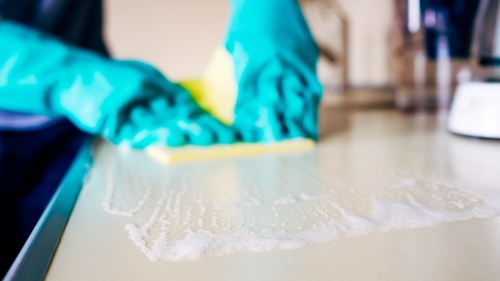
Carpets and rugs are among the most affected surfaces when it comes to pet stain odour removal. Their fibres can trap liquid and odour compounds far below the surface. Begin by blotting the stain, then apply a suitable cleaner designed for pet messes. Use enough solution to reach the contaminated area, including any padding beneath if needed.
For deeper odours, an extraction machine or professional carpet treatment may be necessary. If the stain has soaked through to the underlay, surface cleaning alone will not be enough. In those situations, repeated treatment or specialised deodorising methods may be required to fully eliminate the smell.
Upholstery and Fabric Furniture
Sofas, chairs, and cushions often hold on to odours because the foam inside can absorb liquid. Check the manufacturer’s care label before applying any cleaner. Always test on a hidden section first to ensure the fabric does not discolour. A slow, careful approach is best for pet stain odour removal on upholstered items, especially when the fabric is delicate.
Mattresses and Bedding
Mattresses are particularly challenging because they are thick and absorbent. Remove bedding immediately and wash it using an enzyme detergent if possible. For the mattress, blot excess moisture, treat the area thoroughly, and allow ample drying time. Because mattresses can trap odours for a long time, multiple applications may be needed for complete pet stain odour removal.
Hard Floors
Tile, laminate, vinyl, and sealed hardwood are easier to clean than porous materials, but they are not immune to odour issues. Urine can seep into seams, grout, and gaps between floorboards. Clean the area with a pet-safe solution, then dry it completely. If odour persists, inspect nearby edges and crevices, as liquid may have travelled beyond the original stain.
Common Mistakes That Make Pet Odours Worse
Many homeowners unintentionally make pet stain odour removal harder by using the wrong products or cleaning methods. One major mistake is using ammonia-based cleaners on urine stains. Because urine already contains ammonia-like compounds, this can intensify the smell and even encourage pets to return to the spot.
Another common error is overwetting carpets or upholstery. While it may seem logical to use more water for a bigger clean, too much liquid can drive odours deeper into the material. It can also create damp conditions that lead to mould or mildew, which adds another layer of unpleasant smell.
Skipping the drying stage is also a problem. Even if the stain appears gone, leftover moisture can keep the odour active. For effective pet stain odour removal, proper drying is just as important as cleaning. Fans, ventilation, and dehumidifiers can all help speed up the process and reduce the chance of lingering smells.
How to Remove Old and Stubborn Pet Stains
Assess the Damage First
Older accidents require a more strategic approach to pet stain odour removal. Start by identifying the full affected area. Sometimes the visible stain is smaller than the actual contamination zone. A blacklight can help reveal urine spots that are otherwise invisible in normal lighting.
Apply a Deep-Treat Cleaner
Use an enzyme-based cleaner generously and allow it to soak into the problem area. For older stains, multiple treatments may be necessary. Some stains need to be saturated, left to sit, then extracted or blotted and reapplied. Patience is key here, because quick fixes rarely work on old odours.
Consider Professional Cleaning
When home remedies are not enough, professional services may be the most efficient answer. Experts have access to advanced equipment, odour-neutralizing treatments, and inspection tools that allow them to target the deepest contamination. For severe cases, professional pet stain odour removal can save time and prevent costly replacement of carpets or furniture.
Preventing Future Pet Odours
Prevention is a major part of effective pet stain odour removal. The less often accidents happen, the easier it is to keep your home fresh. Start with consistent pet training and regular bathroom breaks. Puppies, senior pets, and newly adopted animals often need extra support, so predictable routines can make a real difference.
Clean litter boxes, dog pads, and pet bedding regularly. Replace old bedding if it has absorbed persistent smells. Use washable covers on sofas and pet-friendly throws where possible. These simple habits reduce the chance that odours build up over time.
It also helps to address the cause of repeated accidents. Sometimes an increase in marking or urinating indoors can signal stress, illness, or a behavioural issue. If accidents become frequent, speak with a veterinary professional to rule out medical concerns. Preventing repeat incidents makes pet stain odour removal much easier and more effective.
Natural Odour Control vs. Commercial Products
When it comes to pet stain odour removal, people often compare natural cleaning methods with commercial products. Both have benefits, but they serve different purposes. Natural solutions such as baking soda, vinegar, and mild soap can help with surface-level freshening, while commercial enzymatic cleaners are usually better for biological stains and deep odours.
Natural methods are appealing because they are easy to find and often inexpensive. However, they may not fully neutralize the compounds responsible for pet smells. Commercial products, especially those made specifically for pet messes, are formulated to break down the source of the odour more effectively.
The best approach is often a combination of both, depending on the severity of the problem. For minor spots, a simple solution may be enough. For repeated or deeply soaked accidents, stronger treatment is usually required for successful pet stain odour removal.
Why Odours Return After Cleaning
One of the most frustrating parts of pet stain odour removal is when the smell seems to disappear and then comes back later. This usually happens because the original contamination was not fully removed. Moisture, humidity, or heat can reactivate trapped urine crystals, causing the smell to resurface.
Another reason is that the cleaning solution only treated the top layer of the material. If the padding, backing, or subfloor still contains residue, the odour can continue to escape over time. In some cases, previous cleanings may have spread the stain rather than removing it, making the affected area larger.
To stop recurring odours, treat the full depth of the stain and ensure complete drying. If necessary, repeat the treatment until no smell returns. This layered approach is often essential for dependable pet stain odour removal.
Professional Pet Stain Odour Removal: When It Makes Sense
Signs You Need Expert Help
There are times when DIY methods are not enough. If the stain is large, old, widespread, or located in a high-traffic area, a professional may be the best option. Strong odours that remain after several cleaning attempts are another sign that deeper treatment is needed.
What Professionals Can Offer
Professional cleaners can inspect the affected area with specialised equipment and choose a treatment based on the type of surface and severity of the contamination. They may use extraction, deep deodourising solutions, sub-surface cleaning, or antimicrobial treatments. This level of care can make a significant difference in long-term pet stain odour removal.
For households that want lasting results, investing in expert help can prevent repeated frustration. It can also extend the life of carpets, furniture, and mattresses that might otherwise need replacement.
Keeping Your Home Fresh Long Term
Once a stain has been handled, maintaining freshness becomes the next priority. Regular vacuuming, prompt spill cleanup, and periodic deep cleaning all support ongoing odour control. Air circulation also helps keep interiors fresher, especially in rooms where pets spend a lot of time.
Use washable pet accessories and clean them on a schedule. Rotate pet beds, wipe paws after outdoor time, and inspect favourite resting areas for hidden accidents. These habits reduce the buildup of smells and make future pet stain odour removal simpler.
Pet stain odour removal is most successful when it is treated as part of a broader home-care routine rather than a one-time emergency. A clean environment supports both comfort and hygiene, making life better for everyone in the home.
Final Thoughts on Pet Stain Odour Removal
Dealing with pet accidents is never pleasant, but the right approach can make the process manageable. Whether you are handling a fresh urine spot, a lingering smell in the carpet, or an old stain that keeps returning, the key is to act quickly, use the right products, and clean deeply enough to address the source.
With consistent habits, proper tools, and a clear understanding of what causes pet odours, you can maintain a cleaner and more inviting home. If the problem is too large or too persistent, professional support can provide the extra power needed for reliable pet stain odour removal.
Ready to restore freshness and confidence in your space? Book your service now or contact us today to take the next step toward a cleaner, odour-free home.