Cheap but safe upholstery cleaning options in Kingston and prices
If you are trying to find cheap but safe upholstery cleaning options in Kingston and prices that actually make sense, you are not alone. Most people want two things at once: a fair price and a proper clean that does not wreck the fabric, leave odd smells behind, or cost more than the sofa was worth in the first place. Fair enough, really.
This guide walks through what affordable upholstery cleaning looks like in Kingston, how pricing is usually worked out, what to watch out for, and how to choose a service that is careful as well as cost-conscious. You will also get a simple comparison of cleaning methods, practical steps to follow before booking, and a checklist you can use when you are comparing quotes. The aim is straightforward: help you save money without taking silly risks.
And yes, upholstery cleaning can be one of those jobs that looks easy until you realise the armchair is a different fabric from the sofa and the cushion covers are not removable. A little guidance goes a long way.
Why Cheap but safe upholstery cleaning options in Kingston and prices Matters
Upholstery is easy to overlook until it starts looking tired. One tea spill, one muddy boot, one pet nap on a pale sofa, and suddenly the whole room feels less fresh. In Kingston, where a lot of homes balance family life, compact flats, and busy schedules, people often want cleaning that is affordable, quick to arrange, and safe for the fabric.
The "cheap" part matters because no one wants to overpay for a routine clean. But the "safe" part matters just as much. A bargain clean can become expensive very quickly if the fabric shrinks, the colour runs, the filling stays damp, or the wrong chemical damages the finish. That is especially true for delicate materials like velvet, linen blends, wool mixes, or older upholstered pieces that have already had a hard life.
There is also a practical side. A safe clean should reduce odours, remove everyday grime, and dry in a sensible time. If it leaves your sofa smelling like damp carpet for two days, something has gone wrong. To be fair, that happens more often than people expect when the cleaner is rushing or using too much moisture.
For Kingston households, the sweet spot is usually a service that explains its process clearly, gives a transparent price, and chooses the right method for the item. That is the real value. Not the lowest headline number, but the best mix of price, caution, and results.
How Cheap but safe upholstery cleaning options in Kingston and prices Works
Most upholstery cleaning follows a fairly simple pattern, although the details change depending on the fabric, the stain, and how dirty the item is. A good cleaner should start with an inspection, test a small hidden area, and then choose a method that suits the material. That sounds basic, but it is where the safety comes from.
Here is the usual process:
- Inspection. The cleaner checks fabric type, colour stability, wear, stains, pet issues, and any damage.
- Testing. A small patch is tested for colourfastness or fibre reaction.
- Pre-treatment. Stains, grease spots, and traffic marks are treated before the main clean.
- Main clean. The chosen method is applied, often with careful moisture control.
- Extraction or wipe-down. Soil and residue are removed as much as possible.
- Drying guidance. You are told how long to leave it, whether to ventilate, and when to use the item again.
Pricing normally depends on a few familiar factors: the number of seats or items, the fabric type, the level of soiling, whether stain removal is needed, and whether deodorising or pet treatment is included. In Kingston, a cheap quote might look attractive at first glance, but it may not include edge cleaning, stain treatment, or proper drying advice. That is where people get caught out.
There is also a difference between a light refresh and a deep clean. A quick tidy-up clean is cheaper, sure, but it may not deal with deep-set dirt or old drink marks. A deeper service costs more, but it can be worth it for heavily used sofas, rental properties, or homes with pets and children. Truth be told, the middle option is often the smartest one.
Key Benefits and Practical Advantages
Choosing a cheap but safe service is not just about saving a few pounds. It can make the whole room feel cleaner, extend the life of your furniture, and reduce the chances of needing replacement sooner than planned. That last part matters more than people think.
- Better value over time. A careful clean can delay replacement and reduce wear caused by embedded grit and grime.
- Safer for different fabrics. Professional methods can be matched to cotton, synthetics, wool blends, and more delicate materials.
- Less risk of over-wetting. Excess water can leave marks, odours, or long drying times.
- More consistent results. A proper process usually gives a more even finish than DIY spot cleaning.
- Improved room freshness. Even when stains do not disappear completely, odours and dullness can improve a lot.
- Peace of mind. You are less likely to damage a favourite chair by trying a strong cleaner from the cupboard. We have all done it, and yes, it can go sideways fast.
There is another advantage that gets overlooked: a professional can tell you when not to push for a heavy clean. That honesty is worth money. If a piece is too fragile, badly faded, or already damaged, the safer option may be a lighter refresh or even a repair recommendation. Not glamorous, but sensible.
Expert summary: The cheapest upholstery clean is not always the best value. The best affordable option is the one that uses the right method, controls moisture, and explains exactly what is included before work begins.
Who This Is For and When It Makes Sense
Cheap but safe upholstery cleaning is a good fit for plenty of Kingston households and businesses. If you are weighing up whether to book now or wait, these are the situations where it usually makes sense.
- Busy family homes where crumbs, spills, and hand marks build up faster than anyone can stay on top of.
- Landlords and tenants preparing a flat between occupancies, especially when soft furnishings need a refresh.
- Pet owners dealing with smells, fur, or the occasional accident. Pets are lovely. Upholstery, less so.
- People with allergies who want to remove dust and general build-up from fabrics.
- Anyone hosting guests and wanting the living room to look cared for without replacing furniture.
- Small offices or client-facing spaces where seating needs to look presentable but budgets are tight.
It also makes sense if your furniture is decent quality and worth preserving. There is little point over-spending on a full replacement when the frame is sound and the upholstery is still in good condition. On the other hand, if the fabric is split, sun-bleached, or badly worn, cleaning alone will not work miracles. That is where expectations matter.
A realistic example: a three-seater sofa with light soiling, one or two surface stains, and no delicate fabric usually responds well to a careful clean. A cream corner sofa with old food spills, pet odour, and mixed material panels needs a more detailed quote. Same room, very different job.
Step-by-Step Guidance
If you want to keep costs under control while staying safe, follow a simple process. It sounds obvious, but it helps avoid rushed decisions and hidden extras.
1. Identify the item and fabric
Take a look at the label if there is one. Check whether the upholstery is removable, and note anything unusual such as velvet, suede-style fabric, leather trim, or mixed materials. If you are not sure, say so when asking for a quote. Guessing is how people end up with a bad clean.
2. Decide what the problem is
Are you trying to remove a stain, freshen the room, tackle pet odour, or clean after a renovation? The target affects the method and the price. A general refresh is different from stain removal. A lot different, actually.
3. Ask for an itemised quote
Look for a clear explanation of what is included: inspection, pre-treatment, cleaning, deodorising, stain work, and drying advice. If the price seems too neat and tidy, ask what is excluded.
4. Compare method, not just price
A lower price can be fine if the method is suitable and the cleaner explains the risks. If one company uses a very aggressive approach and another recommends a gentler process for a delicate fabric, the second option may be the safer one even if it costs slightly more.
5. Prepare the area
Before the cleaner arrives, move small items, clear side tables, and vacuum loose debris if you can. That can save time. Sometimes it saves a little money too, depending on how the quote is structured.
6. Check drying and aftercare instructions
Good results do not end when the machine turns off. Ask how long to keep off the furniture, whether windows should be open, and what to do if a mark reappears as the fabric dries. Reappearing stains are not unusual, by the way, because moisture can pull residue up from deeper in the fibres.
7. Inspect before the cleaner leaves
Do a quick walk-through while the fabric is still fresh in your mind. Check the treated areas, the corners, and the edges where dirt often hides. If something seems off, say it then.
Expert Tips for Better Results
A few practical habits can improve results and keep costs down without cutting corners. Nothing fancy. Just the stuff that makes the job easier.
- Book before the item gets too dirty. Heavily soiled fabric usually needs more labour and more treatment.
- Be honest about stains. Old marks, pet accidents, ink, makeup, and food spills all behave differently. Hiding the issue helps no one.
- Use ventilation. Fresh air helps drying and reduces that damp upholstery smell that nobody wants lingering into the evening.
- Keep pets and children away during drying. It is hard to clean a sofa twice, and harder when someone is already climbing on it.
- Test a small patch if you are trying DIY spot treatment first. What looks mild on the bottle may not be mild on the fabric.
- Ask about protection treatments only if needed. A stain protector can be useful, but it should not be assumed or bundled in without explanation.
One small but useful trick: take a couple of photos before the clean. Not because you are being dramatic, but because it helps you compare before and after honestly. Sometimes a room feels much better even when the stain is not completely gone. Other times the opposite is true. Photos keep everyone grounded.
Also, if you have a piece with sentimental value, say so. Cleaners tend to take a bit more care when they know a chair is not just a chair. Grandad's armchair, for example, is not something you rush.
Common Mistakes to Avoid
People usually do not make upholstery cleaning mistakes because they are careless. They make them because they are trying to save money and move quickly. Understandable. Still, a few errors crop up again and again.
- Choosing the cheapest quote without checking what is included. A low headline price can hide extras for stain treatment, parking, or minimum charges.
- Using the wrong product on a stain. Household sprays can set certain marks or bleach fabric.
- Skipping the fabric check. Not all upholstery can handle the same level of moisture or agitation.
- Expecting every stain to vanish. Some marks are permanent or partially set, especially if they have been there a long time.
- Using too much water in DIY cleaning. That can push dirt deeper and slow drying.
- Ignoring odour sources. If a smell comes from the backing, cushion filling, or pet urine below the surface, surface cleaning alone will not solve it.
- Not asking about drying time. If you need the sofa back in use the same day, say so up front.
Another one, and it is a classic: booking a cleaner for the sofa but forgetting the footstool, the dining chairs, or the loveseat. Then the quote changes at the door and nobody likes that surprise. Not at all.
Tools, Resources and Recommendations
If you are comparing cheap but safe upholstery cleaning options in Kingston, the best resource is still a clear quote and a sensible conversation. That said, a few practical tools and habits make the process easier.
- Furniture labels and care tags for checking the recommended cleaning method.
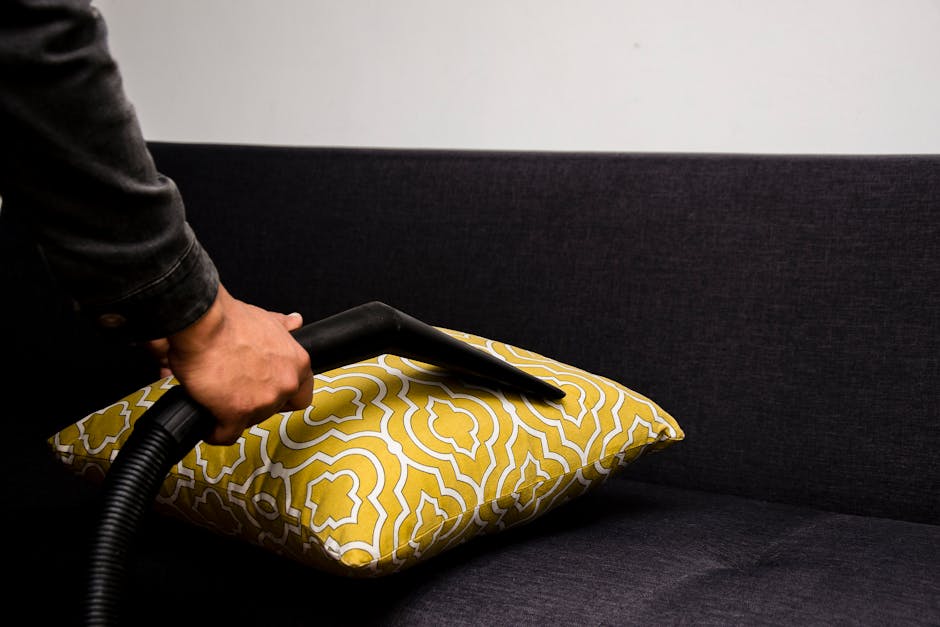
- Basic vacuuming tools to remove dust and crumbs before the appointment.
- Soft white cloths for blotting small spills at home without adding colour transfer.
- A notebook or phone note to track what stains you have, what fabric you are dealing with, and any special instructions.
- Photos of the item taken in daylight, which help with accurate quoting.
If you want to understand wider service standards, it helps to look at how a provider handles business information, safety, pricing clarity, and complaints. For example, a clear pricing and quotes page should tell you how estimates are calculated and what can change the final cost. Likewise, a company's insurance and safety information can give you reassurance that the work is being handled responsibly.
If your upholstery is part of a larger clean-up, you may also find related services useful. Some homes need a sofa clean alongside stain removal, while pet households often look at pet stain odour removal because smell can linger long after the visible mark is gone. And if your upholstery care is part of a broader refresh, the main upholstery cleaning page is the obvious place to compare what is offered.
Law, Compliance, Standards, or Best Practice
For upholstery cleaning in a home or small business, the main concerns are not complicated legal rules so much as sensible best practice. Still, it is worth paying attention to a few things.
Safety and insurance: A reputable cleaner should be able to explain how they work safely, what products they use, and how they reduce risk to furniture, flooring, and occupants. Insurance matters because accidents do happen. A knocked-over lamp or a damaged fabric panel is not impossible, just inconvenient.
Product use: Cleaning agents should be used according to the material and in line with manufacturer guidance where available. Harsh products can leave residues or damage fibres. If you are worried about smells or sensitive household members, ask what is being applied and whether ventilation is recommended.
Consumer clarity: Transparent pricing, written terms, and a clear complaints process are all signs of a business that takes its work seriously. If there is a misunderstanding about what was booked, you want that handled fairly, not shrugged off.
Environmental responsibility: A lot of customers now prefer cleaners who manage wastewater carefully and avoid unnecessary waste. That is sensible in any part of Kingston, especially where people are mindful of how cleaning products and dirty water are handled. If sustainability matters to you, a provider's recycling and sustainability information can be a useful indicator of broader practice.
Business professionalism: In practical terms, professionalism means punctuality, clear communication, and respect for your home. It sounds basic because it is. But basic done well is often the difference between a decent experience and a frustrating one.
Options, Methods, or Comparison Table
There are a few common ways to clean upholstery, and the right one depends on the fabric and the budget. The table below gives a simple comparison.
| Method | Best for | Typical strengths | Watch-outs | Price tendency |
|---|---|---|---|---|
| Light vacuum and spot treatment | Freshening up and minor marks | Low cost, quick, minimal moisture | Limited deep-clean effect | Lowest |
| Hot water extraction / deep cleaning | Durable fabric, general dirt, heavier use | Strong soil removal, good for thorough cleaning | Longer drying time, not ideal for delicate fabrics | Low to mid |
| Low-moisture cleaning | Softer fabrics and quicker turnaround needs | Faster drying, often gentler | May need more careful stain work | Mid |
| Specialist stain and odour treatment | Pet accidents, food spills, persistent smells | Targets the specific issue more directly | Results vary depending on age and type of stain | Mid to higher |
| Delicate-fabric hand cleaning | Velvet, vintage pieces, sensitive materials | More controlled, lower risk of damage | Usually slower and more labour-intensive | Higher |
If you are purely chasing the lowest cost, a standard clean on a durable item often gives the best balance. If the fabric is delicate or the stains are stubborn, a slightly higher price is usually justified. In other words, the cheap option is only smart if it is the right method for the job.
Case Study or Real-World Example
Here is a realistic Kingston example. A family in a flat near the town centre had a three-seater sofa and two dining chairs that looked dull rather than filthy. There were some sweet drink marks, a bit of food staining on the armrest, and a general grey cast from daily use. Nothing dramatic, just enough to make the room feel tired on a grey afternoon.
They asked for a quote, but made one useful decision early: they sent photos in daylight and mentioned the fabric type, the age of the sofa, and the fact that one stain had already been scrubbed with a supermarket spray. That honesty helped a lot. The cleaner could explain what was likely removable, what might fade, and what would need extra attention.
The job was priced as a straightforward upholstery clean with a small amount of stain treatment added. The sofa was deep cleaned carefully, the chairs were handled with less moisture, and drying advice was given clearly. The results were not magical, because real life rarely is, but the room looked cleaner, fresher, and more looked-after. The biggest win, honestly, was that the family avoided buying a replacement sofa they did not need.
That is the kind of outcome most people want: not perfection, just a noticeable improvement at a fair price. And yes, it often comes down to communication more than anything else.
Practical Checklist
Use this quick checklist before you book. It takes a few minutes and can save a lot of hassle.
- Check the fabric type and any care label.
- Identify the main issue: dirt, stains, odour, pet mess, or general refresh.
- Take clear photos in daylight.
- Ask for an itemised quote.
- Confirm what is included and what costs extra.
- Ask which cleaning method will be used.
- Check whether the cleaner tests a hidden patch first.
- Confirm estimated drying time.
- Ask about insurance and safety procedures.
- Prepare the room by moving small items and clearing access.
- Keep children and pets away during drying.
- Inspect the item before the cleaner leaves.
If you can tick most of those boxes, you are already in a much better place than the average last-minute booking. Small steps, but they count.
Conclusion
Finding cheap but safe upholstery cleaning options in Kingston is really about balance. The cheapest quote is not always the best deal, and the most expensive one is not automatically better. What you want is a cleaner who understands fabric, explains the process, and gives you a fair price without pressure or vague promises.
Once you know what affects pricing, you can compare quotes properly and avoid the common traps: hidden extras, the wrong method for the fabric, and unrealistic stain promises. That alone puts you ahead of most buyers. And if your furniture is worth keeping, a careful clean can make it feel like part of the home again, which is a nice feeling on a normal weekday evening when the kettle's on and the room finally looks fresh.
Get a free quote today and see how much you can save.
Sometimes the smartest spend is the one that quietly protects what you already own. That is the real trick.
Frequently Asked Questions
How much does upholstery cleaning usually cost in Kingston?
Prices vary by item, fabric, size, and stain level, so there is no single fixed number that suits every job. A straightforward sofa clean is usually cheaper than a delicate fabric clean or a job that needs extra stain treatment. The best approach is to ask for an itemised quote so you can compare properly.
What makes an upholstery clean "safe" rather than just cheap?
A safe clean uses the right method for the fabric, starts with a patch test when needed, avoids over-wetting, and gives sensible drying advice. Cheap becomes unsafe when the price is low because corners are being cut.
Can upholstery cleaning remove old stains completely?
Sometimes yes, sometimes partly, and sometimes not fully. It depends on the stain type, how long it has been there, and whether it has already been treated with the wrong product. A good cleaner should be honest about likely results before starting.
Is steam cleaning suitable for all upholstery?
No, not always. Steam or hot water extraction can work well on durable fabrics, but delicate materials may need a lower-moisture or hand-cleaning approach. The fabric type matters more than the method's name.
How long does upholstery take to dry?
Drying time depends on the fabric, the room temperature, the amount of moisture used, and ventilation. Some items dry fairly quickly, while heavier or more absorbent fabrics can take longer. Good airflow helps a lot.
Should I vacuum my sofa before the cleaner arrives?
Yes, if you can. Removing loose dust, crumbs, and pet hair makes the job easier and can improve results. It does not replace professional cleaning, but it helps.
Do I need to move furniture before the appointment?
Usually not the main upholstery item itself, unless you have been asked to. But you should clear the area around it, move small ornaments, and make enough space for access. That saves time and reduces the chance of knocks and bumps.
Is pet odour harder to remove than visible dirt?
Often, yes. Odour can sit in the filling or backing as well as on the surface, so it may need more targeted treatment. A light clean may improve the smell, but persistent pet odours often need a specific treatment.
How can I tell if a quote is good value?
Look at what is included, not just the headline figure. A good-value quote explains the method, the likely drying time, any extras, and any limits. If a quote is vague, it is harder to trust, even if the number looks low.
Are there risks with DIY upholstery cleaning?
Yes. The most common risks are over-wetting, colour bleed, residue build-up, and making stains worse by rubbing too hard. DIY can be fine for very small fresh spills, but it is easy to overdo it.
What should I ask before booking a cleaner in Kingston?
Ask what method they plan to use, whether they test the fabric, what the price includes, how long drying may take, and whether they carry insurance. If you have a delicate or valuable item, mention that up front.
When does cleaning stop being the best option?
If the fabric is badly torn, sun-damaged, structurally worn, or permanently stained, cleaning may only improve the appearance a little. In that case, repair or replacement may be more sensible. A decent cleaner will tell you when that is the case.