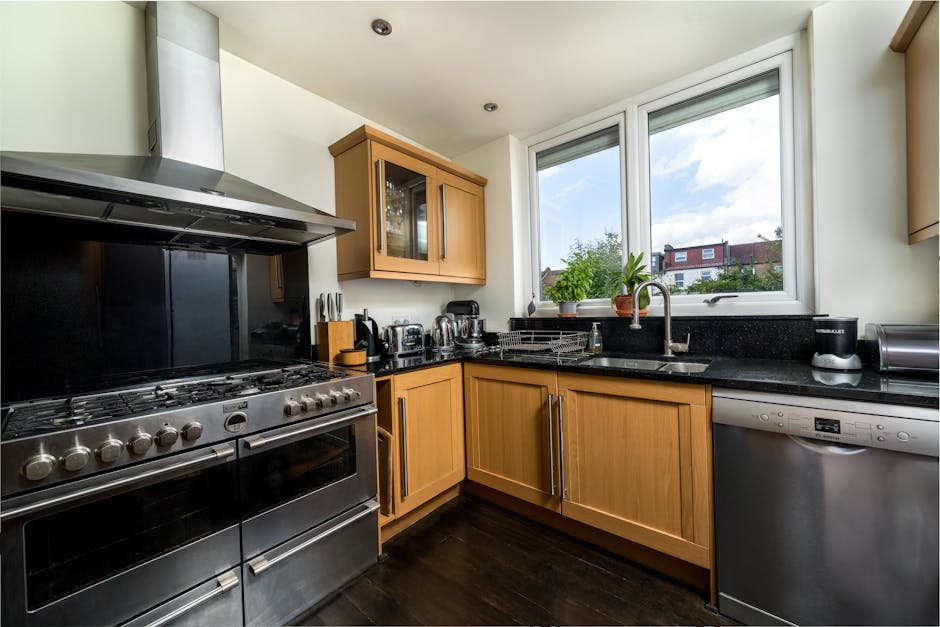
Hampton Wick end of tenancy cleaning tips for KT2 flats
Moving out of a flat in Hampton Wick can feel oddly exhausting. Boxes everywhere, a final sweep of the rooms, a key handover looming, and that one question you keep circling back to: have I cleaned enough to get the deposit back? These Hampton Wick end of tenancy cleaning tips for KT2 flats are designed to take the guesswork out of that last big job.
KT2 flats have their own quirks. You may be dealing with compact kitchens, older sash windows, shared entrances, fitted appliances, or carpets that seem to collect every footprint from the past year. Truth be told, end of tenancy cleaning is less about making a place look "nice" and more about meeting the standard expected at check-out. That means detail, consistency, and a proper plan.
In this guide, you'll get a practical step-by-step approach, a realistic checklist, common mistakes to avoid, and a few local-minded pointers that make the process easier. If you want a broader look at what's usually included in a professional move-out clean, you can also browse the end of tenancy cleaning service in Kingston and the wider services overview page for context.
Table of Contents
- Why Hampton Wick end of tenancy cleaning tips for KT2 flats Matters
- How Hampton Wick end of tenancy cleaning tips for KT2 flats Works
- Key Benefits and Practical Advantages
- Who This Is For and When It Makes Sense
- Step-by-Step Guidance
- Expert Tips for Better Results
- Common Mistakes to Avoid
- Tools, Resources and Recommendations
- Law, Compliance, Standards, or Best Practice
- Options, Methods, or Comparison Table
- Case Study or Real-World Example
- Practical Checklist
- Conclusion
- Frequently Asked Questions
Why Hampton Wick end of tenancy cleaning tips for KT2 flats Matters
End of tenancy cleaning matters because the final condition of the flat is part of how your move-out is judged. In most cases, tenants are expected to return the property in broadly the same condition as when they moved in, allowing for fair wear and tear. That simple phrase causes a lot of confusion, doesn't it? A little lived-in scuffing is normal; grease on extractor filters, limescale in the bathroom, or crumbs inside kitchen cupboards are usually not.
In Hampton Wick and the wider KT2 area, flats often have high-use spaces packed into a relatively small footprint. That means dirt builds up faster than people expect. A narrow hallway can show marks quickly, a small bathroom can look tired if grout is neglected, and a compact galley kitchen can trap grease around splashbacks and cabinet handles. One missed corner can stand out more in a flat than in a larger house.
There's also a practical reason: the final inspection can feel very unforgiving when you are already tired from moving. The cleaner and more organised your approach, the less stress at handover. For many tenants, a good result comes from combining their own preparation with a professional deep clean, especially if carpets, upholstery, or stubborn kitchen residue need attention. If that's your situation, the local carpet cleaning in Kingston KT1 page is worth a look, particularly for flats where floor coverings have taken a beating.
Key takeaway: in KT2 flats, the aim is not perfection for its own sake. The aim is a clean, check-out-ready property that shows care, consistency, and attention to the small details landlords and agents tend to notice first.
How Hampton Wick end of tenancy cleaning tips for KT2 flats Works
End of tenancy cleaning works best when it follows the order of the property, not the order of your mood. That sounds obvious, but anyone who has cleaned the bathroom first and then dragged dust through the living room will know why it matters. Start at the top, work down, and finish with floors.
A sensible process for KT2 flats usually looks like this:
- Remove clutter, rubbish, and loose belongings.
- Dry dust first so you are not wiping grime into surfaces.
- Clean high-touch areas: switches, handles, skirting, doors, and frames.
- Move room by room with a focus on kitchens and bathrooms.
- Finish with floors, carpets, and any final glass or mirror detailing.
- Do a last inspection in daylight if you can. Morning light is unkind, but useful.
The cleaning itself is usually deeper than a weekly tidy. It means getting behind appliances where possible, dealing with soap residue, removing limescale, clearing extractor covers, and cleaning inside storage spaces. In a flat, this often includes balcony doors, window tracks, radiators, and the odd forgotten shelf behind the sofa. Small places hide mess surprisingly well.
If the flat has been occupied for a while, some jobs become more specialised. Oven degreasing, carpet stain treatment, and upholstery refreshes can take more than standard household products. That is where a targeted service can help, and the local upholstery cleaning service can be useful if sofas, dining chairs, or soft furnishings need attention before handover.
Key Benefits and Practical Advantages
There's a very practical upside to doing end of tenancy cleaning properly: it reduces friction at the end of the tenancy. Nobody enjoys a back-and-forth about marks on the hob or dust on the bedroom skirting. A clean, well-presented flat tends to make the inspection quicker and calmer.
Here are the main benefits people usually notice:
- Better deposit prospects: fewer avoidable cleaning deductions or disputes.
- Less stress at check-out: you are not scrambling for cloths on moving day.
- Cleaner handover impression: a flat that feels cared for tends to be received better.
- More efficient moving day: if the place is already clean, key handover is simpler.
- Clearer division of responsibility: you know what has been done and what has not.
Another advantage is confidence. Once the bathroom has been scrubbed properly and the kitchen has been stripped back to a neutral clean, the rest of the flat tends to fall into place. It's a bit like clearing the biggest mess off the table first; suddenly the whole job feels manageable.
For landlords, agents, and tenants alike, a well-executed move-out clean sets a better tone. If you need to compare service options or understand what a broader cleaning package may cover, the domestic cleaning in Kingston upon Thames page gives useful background on routine and deep cleaning support beyond end-of-tenancy work.
Who This Is For and When It Makes Sense
This guide is for tenants in Hampton Wick and KT2 who are nearing the end of a tenancy and want to leave the flat in strong condition. It is also useful for landlords preparing between lets, or for anyone in a furnished flat where sofas, carpets, and appliances need a full refresh before new occupants arrive.
It makes the most sense when:
- you are within the last two weeks of the tenancy and want a structured plan;
- you've noticed heavy use in the kitchen or bathroom;
- the property is furnished and includes upholstery or soft furnishings;
- the flat has carpets that need more than a quick vacuum;
- you're short on time and need to decide what to clean yourself and what to outsource;
- you want to avoid disputes over avoidable dirt rather than wear and tear.
It also makes sense if you are moving out after a busy period. Let's face it, when you are dealing with removals, utilities, forwarding post, and keys, the cleaning can become the last thing you want to think about. That's exactly when a checklist helps most.
Some readers also use move-out cleaning as a chance to think ahead. If you are staying in the Kingston area and moving into another rental, you might find local housing context helpful too. The article on Kingston property market overview is a useful companion read if you are weighing up your next move nearby.
Step-by-Step Guidance
Here's the part most people want first: what to actually do. The trick is to keep the work visible and structured. Clean room by room, but think in layers.
1. Start with decluttering and emptying
Remove all personal items, expired food, spare toiletries, bin liners, paperwork, and anything stored in cupboards. A flat cannot be properly checked if half your belongings are still in it. Do the cupboards first if you can, because hidden crumbs and dust are often the things that catch people out.
2. Tackle kitchen grease and appliances
The kitchen is usually the most closely inspected area. Wipe cabinet fronts, clean handles, degrease splashbacks, and clear around sinks and taps. Clean inside and outside the oven, fridge, microwave, and extractor hood if they are included. Pull appliances out carefully only if it is safe to do so and only if you know they can be returned without damage. Sometimes the space behind a fridge tells a rather embarrassing story.
3. Deep clean the bathroom
Bathrooms need more than a quick spray-and-wipe. Remove limescale from taps, shower screens, and tiles. Clean around the toilet base and behind it if accessible. Check grout lines, the sink overflow, plugholes, and soap build-up on ledges. The moment the bathroom smells fresh and looks dry, the whole flat feels better.
4. Refresh bedrooms and living spaces
Dust skirting boards, ledges, shelves, radiators, light switches, and doors. Clean wardrobes, drawers, mirrors, and internal windows if needed. In living areas, pay attention to corners, under furniture, and around the edges where dust collects quietly. If the flat has been furnished, soft furnishings may need a more thorough clean than a standard vacuum can offer.
5. Deal with floors properly
Vacuum all carpets and rugs slowly, not just once over the middle. If carpets are stained or heavily used, professional treatment may be worth considering. Hard floors should be swept first, then mopped with a suitable cleaner. Avoid leaving water streaks or sticky residue; those small mistakes are oddly visible under daylight.
6. Finish with glass, marks, and final checks
Wipe window panes, mirrors, internal glass, and visible fingerprints on doors or wardrobes. Check behind the front door, around handles, and near switches. Then walk through the flat once more as if you were the next tenant. What would you notice in the first ten seconds? That is usually what matters most.
Expert Tips for Better Results
After many move-out cleans, a few patterns show up again and again. The first is simple: don't start too late. A rushed final evening clean is nearly always weaker than a two-stage clean done over a couple of days. If possible, deep clean the least used rooms first and leave the kitchen and bathroom closest to the end.
Here are some expert-level tips that genuinely help:
- Use daylight for final inspection. Artificial light can hide dust and streaks.
- Work from top to bottom. Dust falls. That is annoying, but useful to remember.
- Use one cloth per area where possible. It avoids spreading grease into bathrooms or vice versa.
- Let products dwell. A cleaner often needs a few minutes to work before wiping.
- Don't forget touch points. Handles, light switches, and skirting edges collect more grime than people think.
- Photograph your finish. A few tidy photos can help if there is any later disagreement.
And a small but important one: if something looks beyond a standard wipe-down, stop trying to force it with the wrong product. That is how surfaces get damaged. Better to pause and use a more suitable method, or bring in help, than to create a new problem. A scruffy hob is one thing; a scratched hob is another.
If your flat has carpets or you are unsure whether soft furnishings need specialist attention, the Kingston High Street carpet cleaning guide gives a helpful sense of what deeper floor care can involve in local homes.
Common Mistakes to Avoid
The biggest end of tenancy cleaning mistakes are usually not dramatic. They are small misses that stack up. A line of dust on a skirting board. Grease inside a cupboard. The oven door looked clean from a distance, but not close up. That sort of thing.
Watch out for these common errors:
- Cleaning in the wrong order. Floors should not be done before dusty surfaces.
- Ignoring hidden areas. Behind radiators, under sinks, and inside cupboards often matter.
- Forgetting appliances. Fridges, freezers, extractor fans, and ovens are easy to overlook.
- Using too much water. Especially risky on laminate, wood-effect flooring, and around electrics.
- Leaving limescale for last. It hardens and becomes harder to remove.
- Assuming "clean enough" will do. Check-out standards are often stricter than weekly standards.
One subtle mistake is over-polishing. Yes, really. A highly shiny surface can still show streaks or missed smears under the right light. Better to dry and detail properly than to keep adding product and hope for magic. Spoiler: magic is unreliable with glass cleaner.
Tools, Resources and Recommendations
You do not need an industrial kit to complete a solid move-out clean, but the right basics make the job far easier. For KT2 flats, where space is often tight, using a small, organised set of tools is better than dragging around half the cupboard.
A practical kit usually includes:
- microfibre cloths;
- a vacuum with attachments;
- a mop and bucket or flat mop system;
- non-abrasive sponges;
- glove protection for stronger cleaning tasks;
- a limescale remover suitable for bathrooms and taps;
- a grease-cutting cleaner for kitchen surfaces;
- glass cleaner;
- a small detail brush or old toothbrush for grout and tracks;
- bin bags, wipes, and paper towels for the final clear-out.
Some tasks are simply easier with a professional service, especially in furnished flats, flats with heavy traffic, or properties with delicate surfaces. If you are comparing options or trying to work out whether to book help for more than one area, the house cleaning in your area page can help you think through the difference between routine support and a deeper one-off clean.
For peace of mind around process and reliability, it can also help to look at company policies before booking. The health and safety policy, insurance and safety, and terms and conditions pages are the sort of detail-minded pages that tell you how a provider works, which is reassuring when you're handing over access to your home.
Law, Compliance, Standards, or Best Practice
For most tenants, end of tenancy cleaning is guided more by tenancy agreement expectations and accepted property condition standards than by a single simple rule. That means the safest approach is to read your tenancy agreement, check the inventory and check-in report if you have one, and clean to a standard that reasonably matches the original condition, allowing for fair wear and tear.
Best practice usually means:
- returning the property empty unless otherwise agreed;
- removing waste and personal items;
- cleaning appliances, surfaces, sanitaryware, and floors;
- avoiding damage while cleaning;
- keeping evidence of the finished condition where sensible.
If you hire a cleaning company, it is sensible to look for clear communication, transparent pricing, and proper care around access, property condition, and safety. That is not just bureaucracy. It helps both sides know what to expect. If anything is unclear, ask before the booking is confirmed. A quick question now can save a lot of awkwardness later.
For broader trust and process information, the site's about us and pricing and quotes pages are useful for understanding how services are structured and what kind of quote process to expect.
Options, Methods, or Comparison Table
There are usually three ways people handle an end of tenancy clean in Hampton Wick: do it yourself, split it between yourself and a specialist, or book a full professional clean. Each route can work. The right one depends on time, flat size, and how much work the property actually needs.
| Option | Best for | Pros | Trade-offs |
|---|---|---|---|
| DIY clean | Small flats, light use, flexible schedule | Lowest direct cost, full control | Time-consuming, easy to miss detail, physically tiring |
| Hybrid approach | Busy tenants with some time and some stubborn areas | Balances effort and support, good for kitchens/carpets | Needs good planning, may still require coordination |
| Professional clean | Time-pressed moves, furnished flats, heavy-use properties | More thorough, less stress, better for detailed finish | Higher upfront cost, requires booking and access planning |
In practice, a hybrid approach is often the sweet spot for KT2 flats. You handle the decluttering, wiping, and light cleaning, then bring in specialist support for carpets, upholstery, ovens, or particularly stubborn areas. That way you are not paying someone to do every tiny task, but you still get the hard jobs done properly.
Case Study or Real-World Example
Here's a realistic example from a typical Hampton Wick-style flat move-out. Imagine a one-bedroom furnished flat near the station: compact kitchen, small bathroom, carpet in the living room, and a sofa that has taken the usual mix of tea spills, takeaway nights, and everyday life. Nothing dramatic. Just normal wear, with a few obvious attention points.
The tenant starts two days before the end of the tenancy. First, they clear cupboards, fridge shelves, and bathroom storage. Then they deep clean the kitchen, focusing on the hob, splashback, sink, and extractor cover. The bathroom gets a proper descale, and the soft furnishings are vacuumed thoroughly. On the second day, they do a final pass on skirting boards, doors, mirrors, and carpets, with a stronger treatment arranged for the sofa and living-room floor.
The result is not "show home perfect" - and nobody should expect that - but it is orderly, fresh, and clearly well looked after. The moving day feels calmer because the clean has already been handled, and the flat presents well at handover. That is the real win. Not glamour. Just a smoother exit.
If the property includes soft furnishings or stains that will not budge with standard products, a specialist touch can make a noticeable difference. In those cases, booking a relevant service is often simpler than spending hours with no progress and a slightly damp cloth, which is a bit soul destroying if we're honest.
Practical Checklist
Use this as your final pass before check-out. If you can tick off most of these items, you are in a strong position.
- All personal items removed from the flat
- Bins emptied and waste taken out
- Kitchen cupboards wiped inside and out
- Oven, hob, and extractor cleaned
- Fridge and freezer emptied, defrosted, and wiped if included
- Sink, taps, and splashback cleaned
- Bathroom surfaces, toilet, shower, and tiles descaled
- Mirrors and glass cleaned without streaks
- Doors, handles, switches, and skirting wiped
- Wardrobes, shelves, and drawers cleaned
- Carpets vacuumed; stains treated where possible
- Hard floors swept and mopped
- Radiators, ledges, and corners checked
- Final daylight inspection completed
- Photos taken of the finished condition
Quick self-check: if you opened a cupboard, looked at the bathroom mirror, or ran your hand along a skirting board, would you feel confident showing the place to an agent right now?
Conclusion
End of tenancy cleaning in Hampton Wick is really about clarity. Know what needs doing, focus on the high-risk areas first, and give yourself enough time to finish properly. KT2 flats can be small, but they can be surprisingly demanding because every surface is close up and easy to inspect. A good method makes all the difference.
Whether you tackle the job yourself, split it with a specialist, or book a full service, the aim is the same: a flat that feels clean, calm, and ready to be handed back with confidence. That's the bit that matters, not perfection for its own sake.
If you want help planning the clean, comparing options, or understanding what a local professional service might cover, take a look at the relevant service pages and make the next step easier on yourself. Moving is already enough of a faff, isn't it?
Get a free quote today and see how much you can save.
Frequently Asked Questions
What should be cleaned first in a KT2 flat before check-out?
Start with decluttering and removing personal belongings, then clean kitchens and bathrooms before finishing with floors. That order prevents dust and debris from spreading into areas you've already cleaned.
Do I need professional end of tenancy cleaning for a Hampton Wick flat?
Not always. A DIY clean can work well in a small, lightly used flat. However, professional help makes sense if the property has heavy-use areas, carpets, upholstery, or very limited time before handover.
What do landlords usually look for during a move-out inspection?
They usually check for general cleanliness, hygiene in kitchens and bathrooms, appliance condition, dust on surfaces, stains on carpets, and whether the flat has been returned in a reasonable condition compared with the inventory.
How clean does an oven need to be at the end of a tenancy?
The oven should be cleaned thoroughly enough that grease, burnt residue, and obvious build-up are removed. A light surface wipe is rarely enough if the oven has been used regularly.
Are carpets always included in end of tenancy cleaning?
Not always. Some cleaning packages include vacuuming only, while others offer deeper carpet treatment. If the carpets have stains or heavy wear, it is worth checking whether a specialist carpet clean is available.
What is the difference between fair wear and tear and dirt?
Fair wear and tear covers normal ageing, like slight fading or minor scuffs from everyday living. Dirt, grease, food residue, mould from neglect, and similar issues are usually treated differently.
How long does end of tenancy cleaning usually take in a flat?
It depends on the size and condition of the property. A small flat may take a few hours, while a furnished flat with ovens, carpets, and bathrooms that need detail work will take longer.
Can I clean the flat myself and still pass inspection?
Yes, if you clean thoroughly and pay attention to the standard expected at check-out. The key is not just making the flat look tidy, but removing the kinds of dirt that inspections tend to pick up.
What are the most commonly missed areas in move-out cleaning?
People often miss inside cupboards, behind appliances, skirting boards, extractor fans, shower screens, light switches, and the edges of floors where dust collects quietly.
Is it worth booking a specialist for upholstery or carpet cleaning?
If the soft furnishings or carpets are stained, heavily used, or part of a furnished tenancy, yes, it can be worthwhile. A specialist clean may save time and improve the final presentation of the flat.
Should I take photos after cleaning the flat?
Yes, that is a sensible habit. Photos provide a useful record of the condition at handover and can help if there is any later disagreement about cleanliness.
Where can I find more information about local cleaning services and support?
You can explore the site's service pages, pricing information, and local guides for a broader picture. If you want to understand the local area better while planning your move, the Kingston-focused blog articles are also a good companion read.
And if you are deep in the moving chaos right now, take a breath. One room at a time. It really does come together.